Buy bussines.eu ?
We are moving the project
bussines.eu .
Are you interested in purchasing the domain
bussines.eu ?
domain@kv-gmbh.de · 0541-91531010
Buy bussines.eu ?
What does homology mean?
Homology refers to the similarity between different organisms due to shared ancestry. It can refer to similar structures, genes, or traits that are inherited from a common ancestor. Homology is used in evolutionary biology to study the relationships between different species and to understand how characteristics have evolved over time. **
What are homology and analogy?
Homology refers to similarities in traits between different species that are inherited from a common ancestor. These traits are often structural or genetic in nature and can help scientists understand evolutionary relationships between species. On the other hand, analogy refers to similarities in traits between different species that are not inherited from a common ancestor but have evolved independently due to similar environmental pressures. While homology reflects shared ancestry, analogy reflects convergent evolution. **
Similar search terms for Homology
Top-Angebote
Products related to Homology:
-
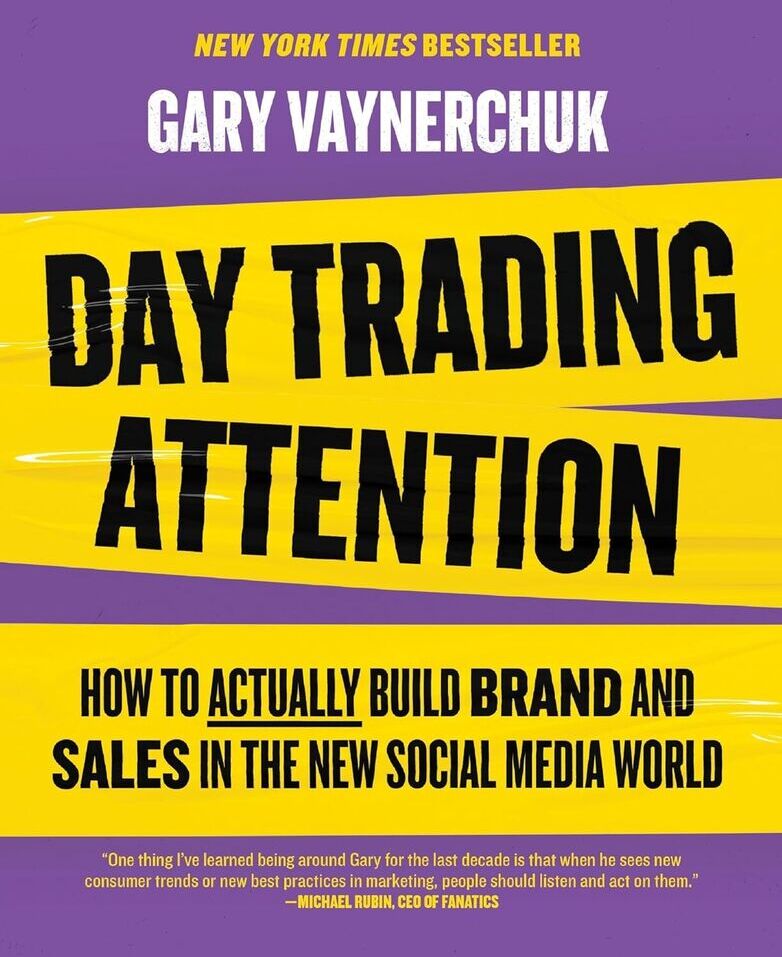
Harper Business Day Trading Attention & Jab Jab Jab Right Hook by Gary Vaynerchuk - Hardcover 2 Book Marketing Set - Business Strategy & Social Media AdvertisingThis two-book bundle brings together Gary Vaynerchuk's most influential marketing titles in one brand-new hardcover set. Day Trading Attention (2024) updates the playbook for today's social platforms, while Jab, Jab, Jab, Right Hook (2013) remains the foundational storytelling guide that built GaryVee's reputation. Together they offer a before-and-after view of how attention, content, and advertising have evolved — essential reading for marketers, founders, and content creators. The books are published by Harper Business and are suitable for adult readers interested in business and marketing.3,89 £*Shipping: 2,99 £Secure redirect to the provider
-
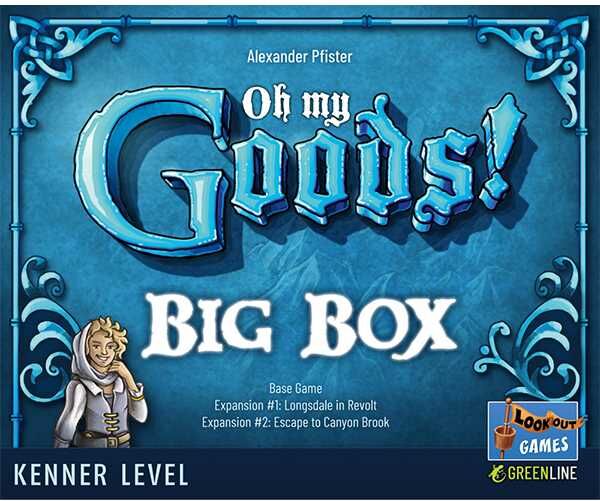
Lookout Spiele Oh My Goods! Big Box - Strategy Card Game - Production Chains & Resource ManagementBuild a productive settlement in Oh My Goods! Big Box, a strategy card game about managing production chains and developing a successful economy. Players take the roles of workers who produce tools, barrels, iron, glass, and other goods. Plan carefully, connect your production chains, and use your resources efficiently to gain victory points. This Big Box edition includes the original Oh My Goods! game together with two expansions: Longsdale in Revolt and Escape to Canyon Brook. The combined contents offer additional scenarios and challenges for players who want to expand their game. Suitable for players who enjoy strategic card games, resource management, and building an efficient engine over multiple rounds.23,20 £*Shipping: 3,95 £Secure redirect to the provider
-
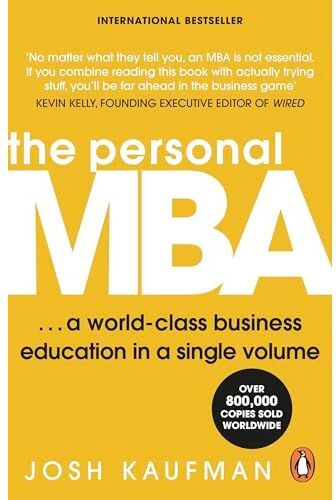
Penguin The Personal MBA: The bestselling business book containing you everything you need to know about marketing, management and leadershipARE YOU TEMPTED TO GO TO BUSINESS SCHOOL? SAVE YOUR MONEY AND READ THE PERSONAL MBA INSTEAD. This bestselling business classic gives you everything you need to transform your business and your career. An MBA at a top business school is an enormous investment in time and cash. And if you don't want to work for a consulting firm or an investment bank, the chances are it simply isn't worth it. The Personal MBA gives you simple mental models for every subject that's key to commercial success. From the basics of products and marketing to the nuances of teamwork and systems, this book distils everything you need to know to take on the MBA graduates and win.10,99 £*Shipping: 2,99 £Secure redirect to the provider

-
Is it homology or analogy?
Homology refers to similarities in traits due to shared ancestry, while analogy refers to similarities in traits due to convergent evolution. For example, the wings of bats and birds are homologous because they both evolved from a common ancestor with wings, while the wings of birds and insects are analogous because they evolved independently in response to the similar selective pressure of flight. Therefore, the distinction between homology and analogy depends on the evolutionary history of the traits in question. **
-
Is this homology or analogy?
This is an example of homology. Homology refers to the similarity in characteristics between different species due to their shared ancestry. In this case, the similarity in the bone structure of the forelimbs of different vertebrate species is due to their common evolutionary origin from a common ancestor. Analogous structures, on the other hand, are similar in function and appearance but do not share a common evolutionary origin. **
-
Is task 4 an analogy or homology? If it is a homology or analogy, why?
Task 4 is an analogy. This is because an analogy is a comparison between two things that are similar in some ways but otherwise different. In this case, the comparison is between the task of identifying whether a given image is a cat or a dog and the process of identifying whether a given sentence is a statement or a question. Both tasks involve categorizing or classifying different inputs based on specific criteria, even though the inputs themselves are different (images vs. sentences). **
-
Why is task 4 a homology?
Task 4 is a homology because it involves identifying and analyzing the similarities and differences between two different organisms, the human and the chimpanzee. By comparing the genetic sequences and structures of these two species, we can gain insights into their evolutionary relationship and shared ancestry. This type of comparative analysis is a fundamental aspect of homology studies, as it helps us understand how organisms have evolved over time and how they are related to each other at a genetic level. **


How meaningful is homology and analogy?
Homology and analogy are both important concepts in biology that help us understand the relationships between different species. Homology, which refers to similarities in traits due to shared ancestry, provides valuable insights into evolutionary history and can help us infer common ancestors. On the other hand, analogy, which refers to similarities in traits due to convergent evolution, can help us understand how different species have adapted to similar environments or ecological niches. Both homology and analogy are meaningful in their own ways, as they provide valuable information about the evolutionary processes that have shaped the diversity of life on Earth. **
Why is task 4 considered a homology?
Task 4 is considered a homology because it involves identifying and comparing the anatomical structures of different organisms, specifically the forelimbs of vertebrates. By examining the similarities and differences in the bone structure and arrangement of these limbs, we can infer evolutionary relationships and common ancestry. This comparative analysis allows us to trace the evolutionary history of these structures and understand how they have been modified over time to suit the needs of different species. Overall, task 4 provides insights into the concept of homology by highlighting shared characteristics that are inherited from a common ancestor. **
Top-Angebote
Products related to Homology:
-
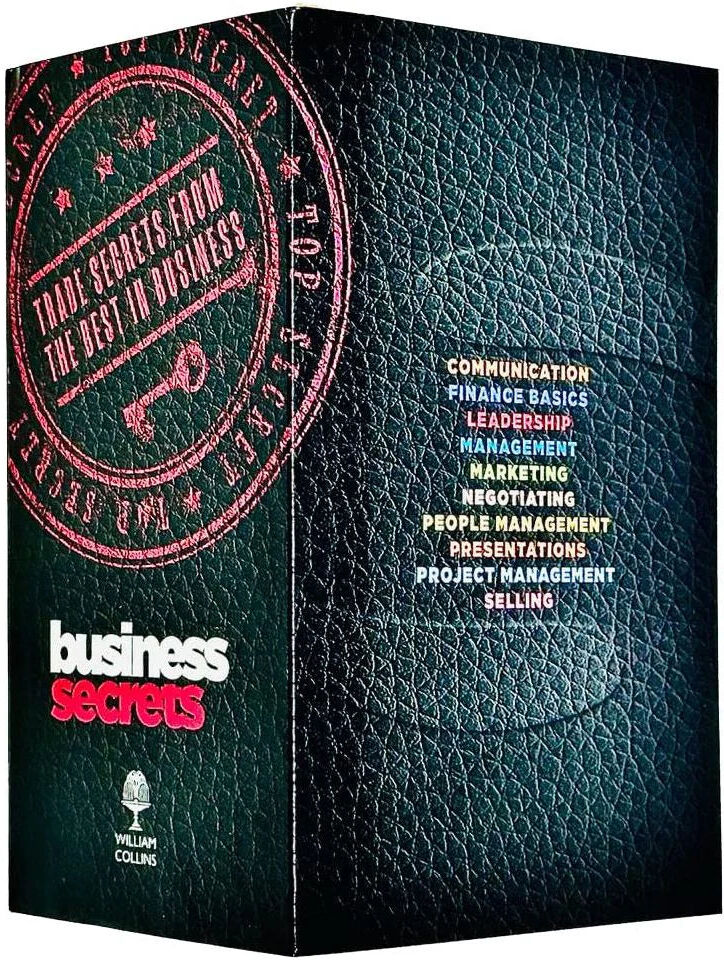
William Collins Collins Business Secrets 10 Books Collection Box Set - Various Authors - Paperback - Leadership, Finance, Marketing & Management GuidesThe Collins Business Secrets 10 Books Collection Box Set brings together ten pocket-sized guides from the trusted Collins Business Secrets series, each written by a specialist author. Covering communication, finance, leadership, management, marketing, negotiating, people management, presentations, project management, and selling, this brand new paperback set distills practical, jargon-free advice into quick, digestible reads. Ideal for professionals, managers, and students, it's a ready-made business library that fits neatly on a shelf and makes a thoughtful gift.14,99 £*Shipping: 2,99 £Secure redirect to the provider
-
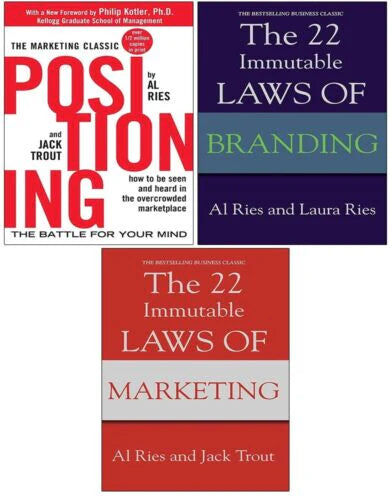
Various Publishers 22 Immutable Laws Branding, Marketing & Positioning 3 Book Set by Al Ries, Jack Trout & Laura Ries - Paperback Business Strategy ClassicsThis three-book paperback set brings together three influential marketing texts written by Al Ries alongside collaborators Jack Trout and Laura Ries. The collection distils decades of branding and marketing strategy into short, memorable 'laws' and case studies. The set includes The 22 Immutable Laws of Branding, The 22 Immutable Laws of Marketing, and Positioning: The Battle for Your Mind. Ideal for business students, entrepreneurs, marketers, and anyone building a brand, it's a practical, portable reference library that has shaped how the modern business world thinks about positioning, branding, and market leadership.28,99 £*Shipping: 2,99 £Secure redirect to the provider
-
Harper Business Day Trading Attention & Jab Jab Jab Right Hook by Gary Vaynerchuk - Hardcover 2 Book Marketing Set - Business Strategy & Social Media AdvertisingThis two-book bundle brings together Gary Vaynerchuk's most influential marketing titles in one brand-new hardcover set. Day Trading Attention (2024) updates the playbook for today's social platforms, while Jab, Jab, Jab, Right Hook (2013) remains the foundational storytelling guide that built GaryVee's reputation. Together they offer a before-and-after view of how attention, content, and advertising have evolved — essential reading for marketers, founders, and content creators. The books are published by Harper Business and are suitable for adult readers interested in business and marketing.3,89 £*Shipping: 2,99 £Secure redirect to the provider
-
Lookout Spiele Oh My Goods! Big Box - Strategy Card Game - Production Chains & Resource ManagementBuild a productive settlement in Oh My Goods! Big Box, a strategy card game about managing production chains and developing a successful economy. Players take the roles of workers who produce tools, barrels, iron, glass, and other goods. Plan carefully, connect your production chains, and use your resources efficiently to gain victory points. This Big Box edition includes the original Oh My Goods! game together with two expansions: Longsdale in Revolt and Escape to Canyon Brook. The combined contents offer additional scenarios and challenges for players who want to expand their game. Suitable for players who enjoy strategic card games, resource management, and building an efficient engine over multiple rounds.23,20 £*Shipping: 3,95 £Secure redirect to the provider
-
What does homology mean?
Homology refers to the similarity between different organisms due to shared ancestry. It can refer to similar structures, genes, or traits that are inherited from a common ancestor. Homology is used in evolutionary biology to study the relationships between different species and to understand how characteristics have evolved over time. **
-
What are homology and analogy?
Homology refers to similarities in traits between different species that are inherited from a common ancestor. These traits are often structural or genetic in nature and can help scientists understand evolutionary relationships between species. On the other hand, analogy refers to similarities in traits between different species that are not inherited from a common ancestor but have evolved independently due to similar environmental pressures. While homology reflects shared ancestry, analogy reflects convergent evolution. **
-
Is it homology or analogy?
Homology refers to similarities in traits due to shared ancestry, while analogy refers to similarities in traits due to convergent evolution. For example, the wings of bats and birds are homologous because they both evolved from a common ancestor with wings, while the wings of birds and insects are analogous because they evolved independently in response to the similar selective pressure of flight. Therefore, the distinction between homology and analogy depends on the evolutionary history of the traits in question. **
-
Is this homology or analogy?
This is an example of homology. Homology refers to the similarity in characteristics between different species due to their shared ancestry. In this case, the similarity in the bone structure of the forelimbs of different vertebrate species is due to their common evolutionary origin from a common ancestor. Analogous structures, on the other hand, are similar in function and appearance but do not share a common evolutionary origin. **
Similar search terms for Homology
-
Penguin The Personal MBA: The bestselling business book containing you everything you need to know about marketing, management and leadershipARE YOU TEMPTED TO GO TO BUSINESS SCHOOL? SAVE YOUR MONEY AND READ THE PERSONAL MBA INSTEAD. This bestselling business classic gives you everything you need to transform your business and your career. An MBA at a top business school is an enormous investment in time and cash. And if you don't want to work for a consulting firm or an investment bank, the chances are it simply isn't worth it. The Personal MBA gives you simple mental models for every subject that's key to commercial success. From the basics of products and marketing to the nuances of teamwork and systems, this book distils everything you need to know to take on the MBA graduates and win.10,99 £*Shipping: 2,99 £Secure redirect to the provider
-
No Marketing Systems Wood Corner Desk"The corner desk measures 42"" X 28"" X 30"" And Weighs 42 lbs. Arrives with only minimal Assembly required. Comfortably fitting in any home, studio, apartment, and office, The small corner writing desk maximizes space in compact rooms."258,89 $*Shipping: 0,00 $Secure redirect to the provider
-
The Readers Paradise Psychology of Money Mindset & Psychology of Management 2 Books Set by Dr. N. Gosain & Sanchit Khullar - Paperback - Finance & LeadershipThis 2-book collection set pairs two accessible psychology-led guides for adult readers who want to understand themselves and the people around them better. The Psychology of Money Mindset explores the emotional side of financial decision-making, while The Psychology of Management delves into the human dynamics behind effective leadership. Together, they offer a practical toolkit for building healthier money habits and stronger workplace relationships, making this an ideal purchase for personal development or as a gift for adult readers. The books are in brand new condition, published by The Readers Paradise, and are available in paperback format.8,99 £*Shipping: 2,99 £Secure redirect to the provider
-
Is task 4 an analogy or homology? If it is a homology or analogy, why?
Task 4 is an analogy. This is because an analogy is a comparison between two things that are similar in some ways but otherwise different. In this case, the comparison is between the task of identifying whether a given image is a cat or a dog and the process of identifying whether a given sentence is a statement or a question. Both tasks involve categorizing or classifying different inputs based on specific criteria, even though the inputs themselves are different (images vs. sentences). **
-
Why is task 4 a homology?
Task 4 is a homology because it involves identifying and analyzing the similarities and differences between two different organisms, the human and the chimpanzee. By comparing the genetic sequences and structures of these two species, we can gain insights into their evolutionary relationship and shared ancestry. This type of comparative analysis is a fundamental aspect of homology studies, as it helps us understand how organisms have evolved over time and how they are related to each other at a genetic level. **
-
How meaningful is homology and analogy?
Homology and analogy are both important concepts in biology that help us understand the relationships between different species. Homology, which refers to similarities in traits due to shared ancestry, provides valuable insights into evolutionary history and can help us infer common ancestors. On the other hand, analogy, which refers to similarities in traits due to convergent evolution, can help us understand how different species have adapted to similar environments or ecological niches. Both homology and analogy are meaningful in their own ways, as they provide valuable information about the evolutionary processes that have shaped the diversity of life on Earth. **
-
Why is task 4 considered a homology?
Task 4 is considered a homology because it involves identifying and comparing the anatomical structures of different organisms, specifically the forelimbs of vertebrates. By examining the similarities and differences in the bone structure and arrangement of these limbs, we can infer evolutionary relationships and common ancestry. This comparative analysis allows us to trace the evolutionary history of these structures and understand how they have been modified over time to suit the needs of different species. Overall, task 4 provides insights into the concept of homology by highlighting shared characteristics that are inherited from a common ancestor. **
* All prices are inclusive of VAT and, if applicable, plus shipping costs. The offer information is based on the details provided by the respective shop and is updated through automated processes. Real-time updates do not occur, so deviations can occur in individual cases. ** Note: Parts of this content were created by AI.